101CAFFÈ Rennes · Coffee guide
Which decaf coffee should you choose? Beans, ground coffee, capsules and pods
Mild or full-bodied decaf, in beans, ground or capsules: learn how to choose according to your machine and preferences.
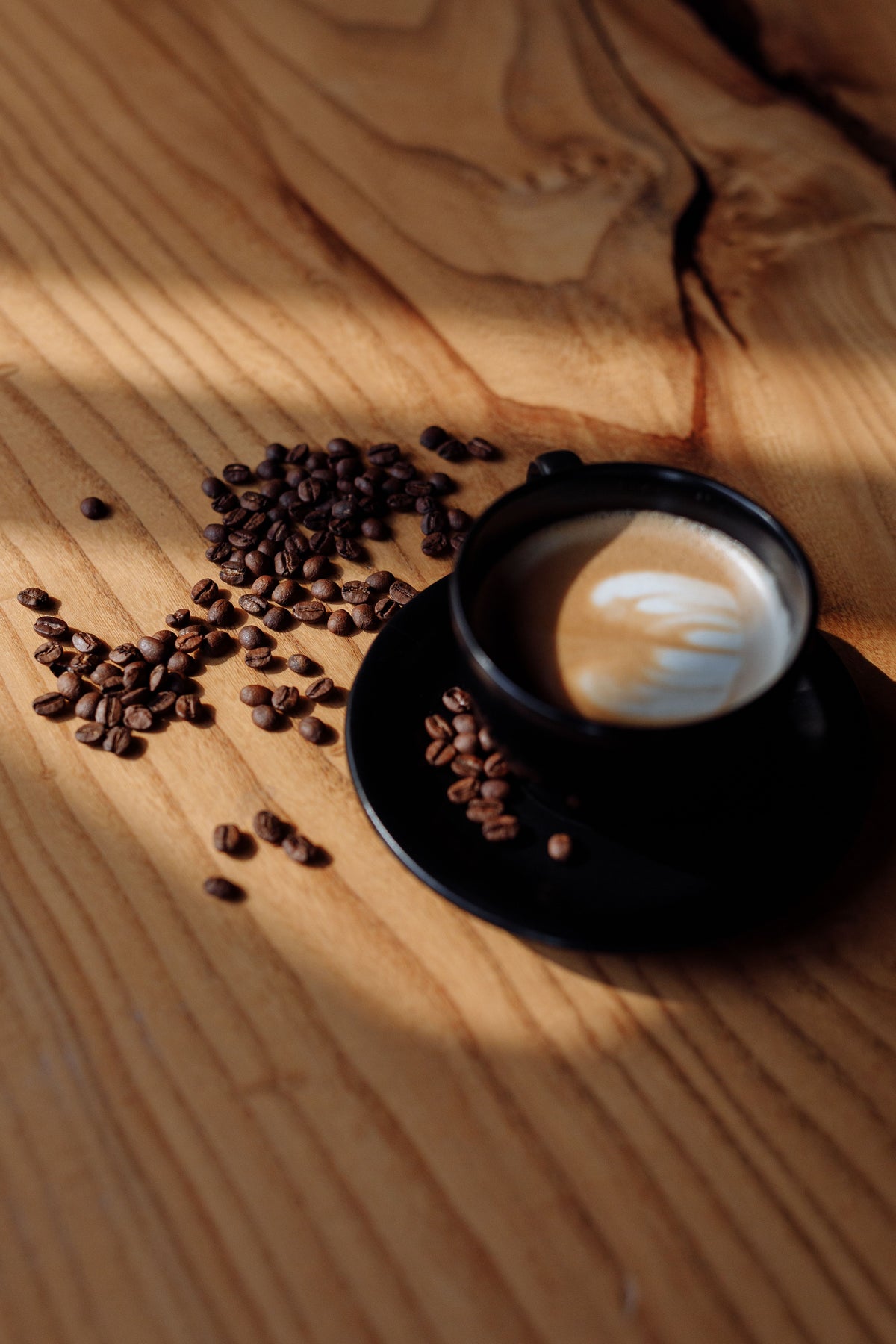
A good decaf coffee should first be chosen according to your machine, then your favourite flavour profile. It can be mild, full-bodied, creamy or fruity: being decaffeinated does not determine its intensity. To rediscover the pleasure of an Italian espresso, compare coffees rather than choosing solely by the word “decaf”.
What is decaffeinated coffee?
Decaffeinated coffee is coffee from which much of the caffeine has been removed. It is not completely caffeine-free: a residual amount may remain, as noted by the FDA. The amount in the cup depends on the product, dose and preparation. The caffeine content of dry coffee cannot be converted directly to an amount per cup without knowing the recipe.
Manufacturers may use different decaffeination processes. If this information matters to you, check the exact product with its manufacturer. Do not infer the process from the brand name or advertised flavour.
Which decaf format should you choose for your machine?
Scroll horizontally to read the table →
| Equipment | Format to look for | Catalogue example |
|---|---|---|
| Automatic bean-to-cup machine | Whole beans | Corsini Decaffeinated 500 g |
| Italian moka pot | Moka-appropriate grind | Bialetti Perfetto Moka Deka |
| Nespresso® Original | Capsules labelled Original-compatible | Corsini Gran Riserva Decaffeinated |
| Senseo® | Compatible soft pods | Italian Coffee Decaffeinated |
| 44 mm ESE machine | 44 mm ESE paper pods | Borbone Miscela Dek |
Nespresso Original and Vertuo capsules are not interchangeable. Neither are Senseo and 44 mm ESE pods. Always check compatibility with your model before ordering.
Mild or full-bodied decaf: how to choose?
For a mild, aromatic cup
The Corsini 100% Arabica decaffeinated beans are an option if you enjoy almond and milk chocolate notes. The manufacturer documents its medium roast. It is also available as 250 g ground coffee, which is practical if you do not own a grinder.
For a stronger decaffeinated espresso
The 101CAFFÈ Napoletano Decaffeinated has, according to its product page, a more pronounced profile, with body and cocoa notes. It is an alternative for those who prefer the character of Neapolitan espresso. It also comes in 250 g ground format.
Tasting notes describe perceived aromas and do not necessarily correspond to added ingredients. Always consult the label if you wish to know the exact composition.
How to make a good decaf on a bean-to-cup machine?
Start with your machine’s usual settings. Adjust one parameter at a time: drink length, dose or grind. If the coffee seems too weak, try a shorter extraction or a dose suited to the machine. If it is too bitter, also check freshness and grind settings.
If your household drinks both regular and decaf coffee, use small amounts in the hopper or a model that allows easy bean changes. Some machines accept a dose of pre-ground coffee; follow the instructions to avoid putting coffee in the wrong compartment.
Where to find decaf coffee in Rennes?
Our selection brings together several Italian formats and profiles, from beans to instant coffee. You can compare all decaffeinated coffees online or ask for advice at our shop at 17 rue de la Monnaie in Rennes. For opening hours or to contact us, see the contact page.
Frequently asked questions about decaf
Does decaf still contain caffeine?
Yes, some residual caffeine may remain. Decaf does not mean zero caffeine.
Can you make a decaf espresso from beans?
Yes, with a bean-to-cup machine or suitable grinder and portafilter. Choose decaffeinated beans rather than capsules or pods.
Does decaf necessarily taste weaker?
No. Taste depends, among other factors, on composition, roast and extraction. Some decafs are mild; others are very full-bodied.
How should you store decaf?
Store coffee in resealed packaging, dry and away from heat and light, as instructed on the label.
Sources and method
Product profiles come from the 101CAFFÈ Rennes catalogue and, for Corsini, from the manufacturer’s pages for 500 g beans and 250 g ground coffee. The information on residual caffeine comes from the FDA. The profiles are not results of independent comparative tastings.